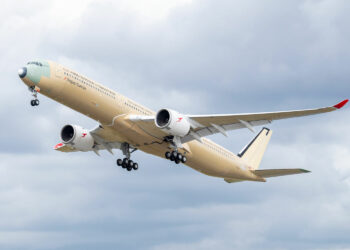

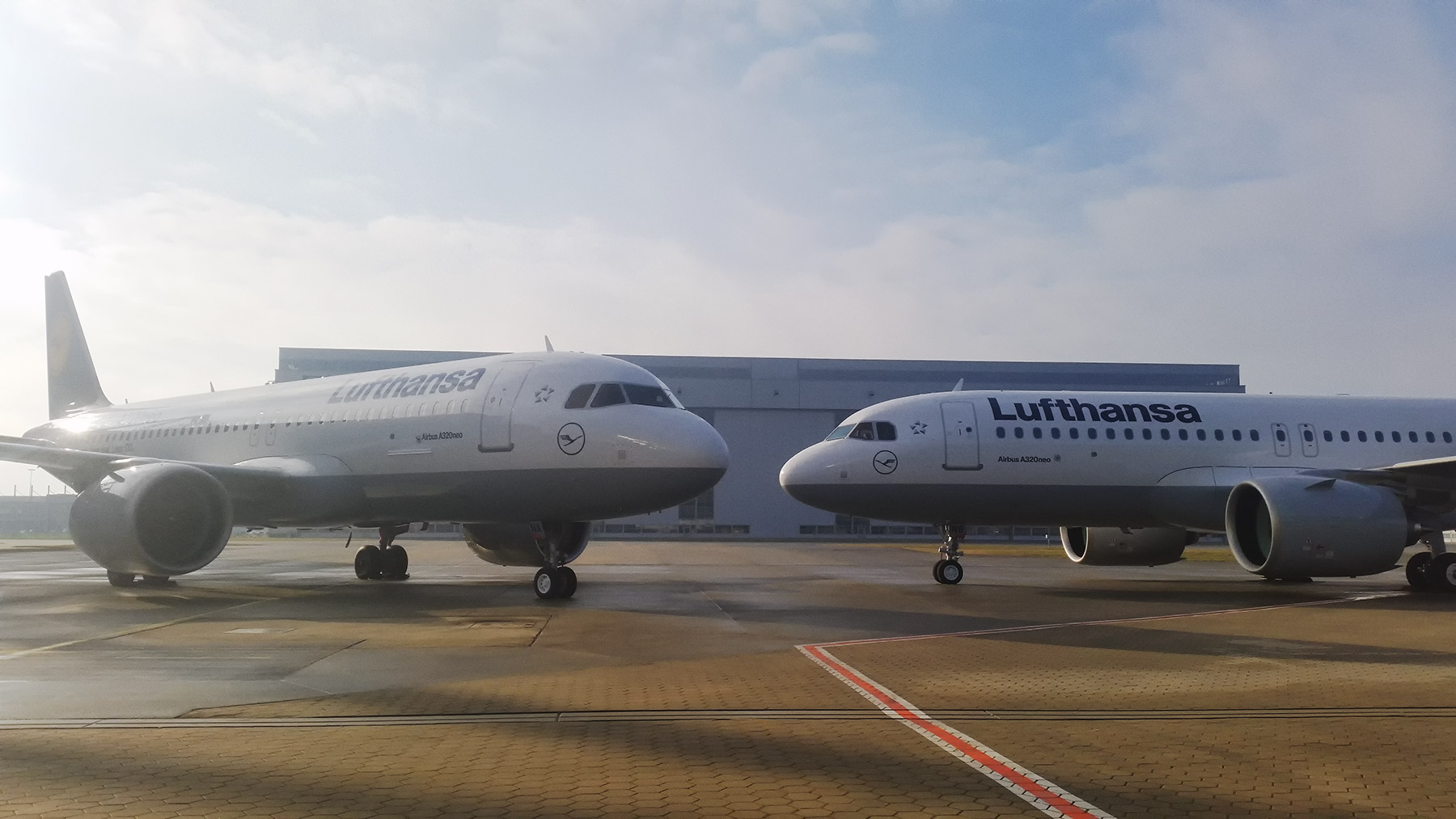
“First to fly A320neo.” That’s how Lufthansa, the launch customer, introduced Airbus’s new re‑engined single‑aisle aircraft ten years ago, with the first delivery on January 20, 2016. Just a few days later, we joined a ferry flight between Airbus’s Finkenwerder facility and Lufthansa’s Frankfurt hub to mark the occasion, very fond memories…
Things have accelerated since then: nearly 4,400 A320neo Family aircraft have been delivered worldwide, making it an unprecedented commercial and industrial success that has profoundly reshaped competition with Boeing. Airbus’s re‑engined single‑aisle family continues to maintain a wide lead over the 737 MAX, with a backlog difference of more than 2,200 aircraft. And if delivery times could be shortened, many airlines, especially in Asia, might well have made different fleet choices.
The challenge of ramping up production has never been more pressing for Airbus, despite lingering supply chain and engine manufacturer difficulties. Achieving the target of 75 aircraft per month by 2027 represents a formidable challenge, one that some observers, particularly across the Atlantic, still view as unrealistic before the decade’s end. That is likely to be a top priority for Lars Wagner, who recently assumed leadership of Airbus Commercial Aircraft. A deep insider with nearly 30 years of experience within Airbus programs, Wagner will also benefit greatly from his tenure as CEO of MTU Aero Engines, where he worked closely with Pratt & Whitney, especially on the GTF program and its upcoming evolutions.
Among Wagner’s key future decisions will be one expected before the end of the decade: what will succeed the A320neo, with which engine(s), what architecture, and which technologies? Will it require a completely clean-sheet design?
The successive A320neo production ramp‑ups over the past decade have revealed how industrial constraints can become a real risk — one that will add to the technological challenges involved in developing Airbus’s next‑generation 200‑seat aircraft. What’s clear is that the next ten years promise to be both fascinating and decisive for the world’s largest commercial aircraft manufacturer. In fact, they will shape a significant part of the future of Europe’s industry itself.