

It’s now official: Airbus delivered 793 commercial aircraft to 91 customers in 2025, achieving its revised annual target of “around 790” aircraft after lowering its original goal late in the year due to industrial issues at a Spanish supplier. The European manufacturer had initially targeted “around 820” deliveries before adjusting its forecast in early December following quality defects identified on metal panels located in the forward fuselage of A320neo family aircraft.
The European planemaker thus retains its position as the undisputed global leader in commercial aircraft for another year. It fell short of its initial target by fewer than thirty single-aisle jets, which will instead roll into 2026 delivery goals as production rates increase. The total will therefore likely surpass the 2019 pre-pandemic record of 863 aircraft delivered.
Airbus posted a record December, handing over 118 aircraft, a strong finish comparable to December 2024 (124 aircraft), slightly tempered by the impact of A320neo-related quality inspections, delivery rescheduling, and potential modifications.
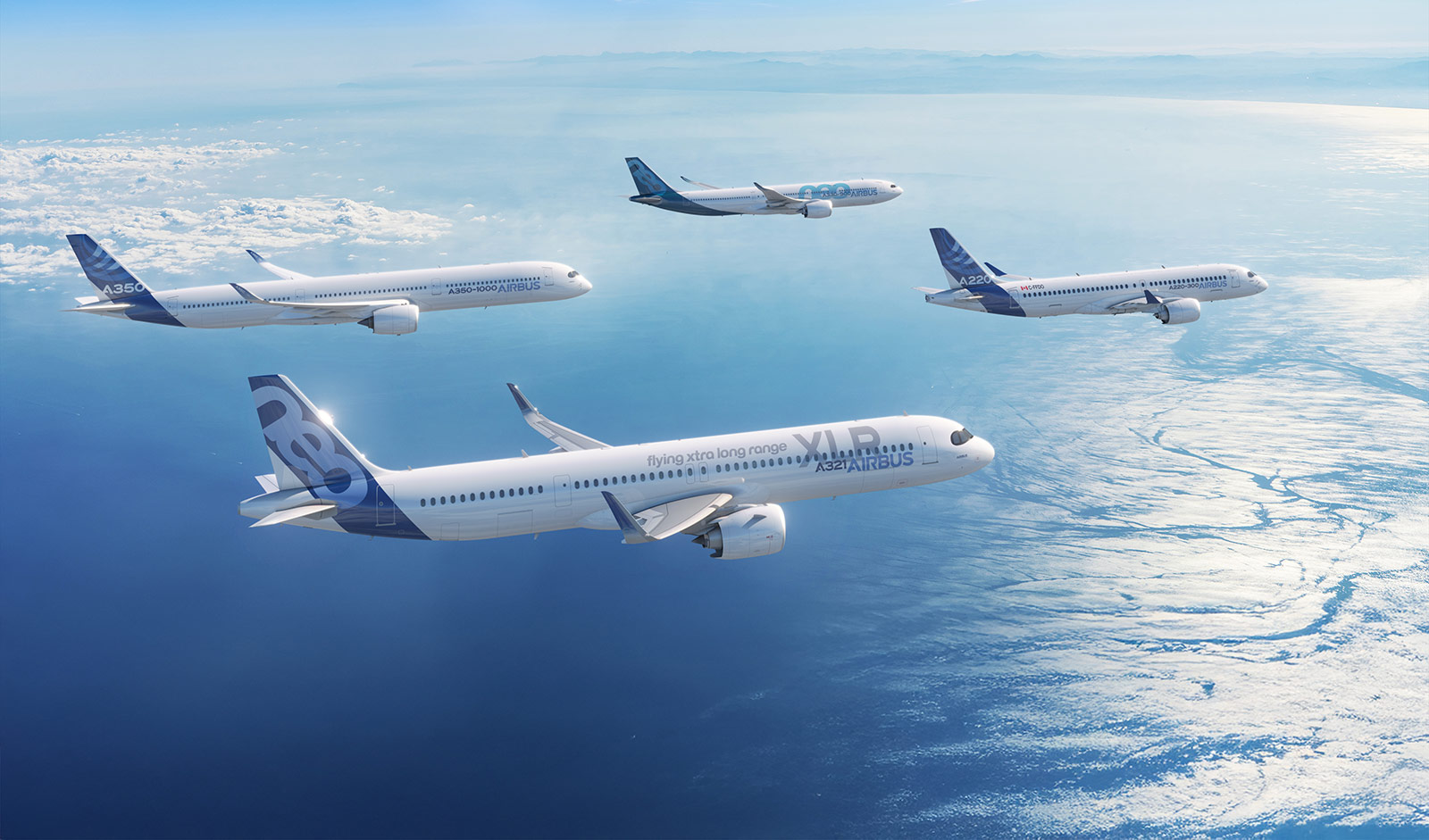
Over the full year, Airbus delivered 700 single-aisle jets (including 93 A220s and 607 A320neo family aircraft), 2 A330-200s (to be converted into A330 MRTTs), 34 A330neos (including one A330-800), and 57 A350s (15 of which were A350-1000s). Deliveries therefore grew by 3.5% year-on-year (766 in 2024), despite the supply chain challenges that continue to affect all programs.
On the order side, Airbus secured exactly 1,000 gross orders last year (889 net, excluding cancellations), compared with 878 orders in 2024 (826 net). The book-to-bill ratio thus improved slightly and remains comfortably above 1.
For widebody aircraft, orders totaled 295 units (including 193 A350s), with 10 cancellations during the year. Widebody sales again surpassed those of 2024, already strong, pushing the associated backlog to a new record of 1,124 aircraft still to be delivered.
Overall, Airbus Commercial’s backlog reached an all-time high of 8,754 aircraft as of December 31, 2025 (compared with 8,658 a year earlier).


