

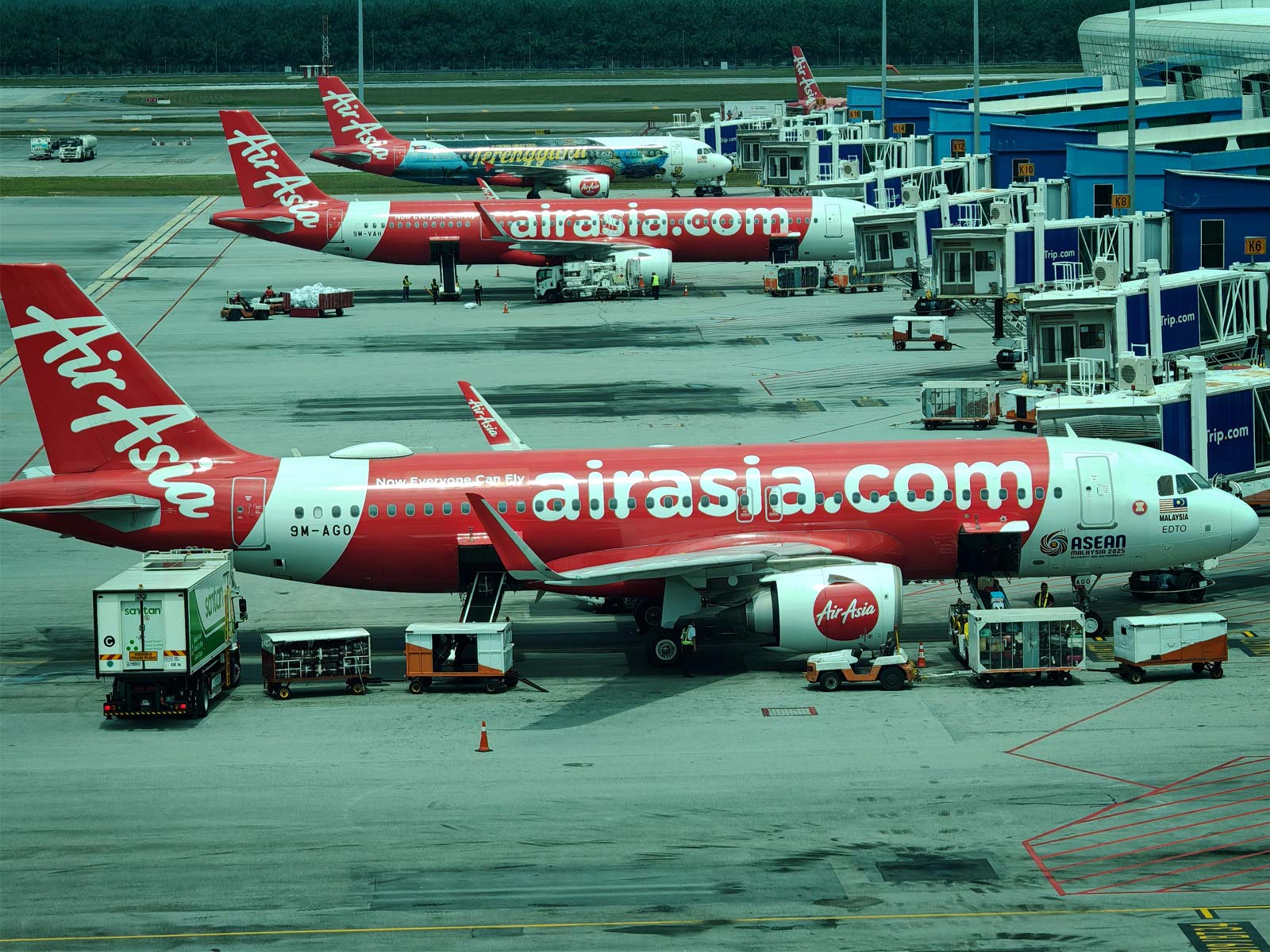
After several years of restructuring, the AirAsia group is ready for a fresh start. AirAsia X has completed the acquisition of AirAsia Berhad and AirAsia Aviation Group from Capital A, consolidating under a single platform all of Capital A’s airline operations, now rebranded as AirAsia Group. As the transaction was structured as a share swap, Capital A remains a minority shareholder in AirAsia Group.
Led by Bo Lingam, formerly CEO of AirAsia Aviation Group, the newly unified AirAsia Group expects significant operational and financial benefits from the reorganization. By combining its short-, medium-, and long-haul operations under a single vehicle, the group aims to optimize fleet utilization and manage its network more efficiently.
“This milestone marks a decisive turning point for the group. With the consolidation now complete, we have established a stronger and more streamlined aviation platform, well positioned to deliver sustainable growth, operational excellence, and long-term value creation for all stakeholders. The board is confident that this integration will generate substantial synergies and strengthen AirAsia Group’s leadership in the region,” said Dato’ Fam Lee Ee, Chairman of the group.
Two major initiatives are now underway: fleet simplification and network optimization. AirAsia Group plans to focus its fleet around the A320/A320neo family. Tony Fernandes, CEO of Capital A, confirmed last July that AirAsia X’s A330s will be phased out within five to six years. However, the group is not abandoning its long-haul ambitions and intends to rely on the A321XLR to support them. A memorandum of understanding signed with Airbus in July outlines plans to acquire between fifty and seventy new aircraft of the type.
At the same time, the group is considering the development of a hub in Bahrain, which would allow it to offer a Gulf-carrier-style connectivity model while maintaining a low-cost approach. Such a base would also improve access to European and African markets.
Capital A, for its part, will now be able to focus on its portfolio of non-aviation brands, including digital services and logistics, and hopes to exit its financially distressed status as early as January 21. The move will give the company greater flexibility to expand these activities, free from the risks associated with airline management that have weighed on investor confidence.
Originally conceived during the pandemic and established in 2022, Capital A was meant to transform AirAsia into a diversified group leveraging its strong brand to launch new lifestyle and travel services. However, the crisis, structural complexity, and distressed-company status have prompted a strategic rethink. The clearer separation between aviation and non-aviation activities has strengthened Capital A’s balance sheet, with AirAsia assuming over USD 900 million in debt, and should help unlock greater value for its service businesses.


